What to Wear (and What to Avoid) as a Special Education Teacher


Your outfit can help you during the School Day... or make it much harder.
Imagine this: You begin your day leading circle time and spend the next hour kneeling beside a young learner during literacy instruction. Later on, you help clean up paint spills before lunch, supervise recess, attend an IEP meeting, and end the day gathering progress data while trying to comfort a child who just had a pretty difficult moment.
Welcome to a typical day in a special education classroom.
Unlike many professions, special education requires teachers to be ready and constantly move around throughout the school day; they also need to stay flexible and prepared for anything that may happen. Therefore, when it comes to selecting the perfect teacher outfits, fashion trends and latest styles shouldn’t matter much. What should matter is making sure your clothing works as hard as you do.
Whether you are new to teaching or looking to refresh your teacher wardrobe, here's what can actually make a difference.
Every SPED Teacher's Outfit Should Pass These 5 Tests
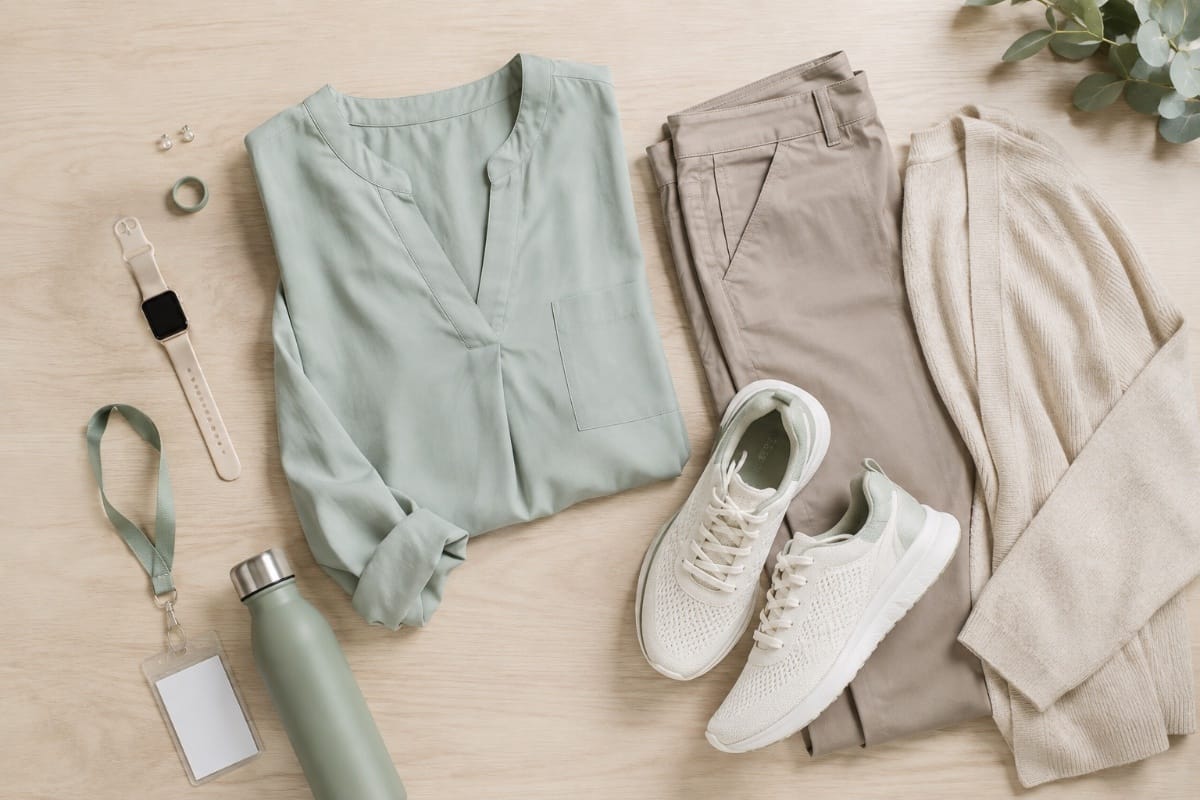
Before pondering over colours or styles, ask yourself these five questions about your outfit. A great teacher outfit must pass all of them.
✅ Can I move freely?
Your day might involve a lot of kneeling, squatting, reaching for things, lifting supplies for class, or sitting on the floor with kids. Restrictive clothing can quickly become super uncomfortable.
✅ Is it safe when I'm around students?
Anything that can be pulled, snagged, or become a distraction for students definitely needs some reconsideration.
✅ Can it handle unexpected messes?
Paint. Glue. Food. Water tables. Sensory bins. A typical school day can be wonderfully messy. Thus, you must pick fabric that is easy to wash and doesn't need special care.
✅ Is it professional?
Comfort matters, true. However, maintaining appropriate teacher attire that reflects your role and follows your school's expectations is equally important.
✅ Will I still feel comfortable after eight hours?
If something already feels uncomfortable when you leave home, it won't really get much better after thousands of steps.
Once every item checks these boxes, you're already making better choices for your clothing!
What to Wear
Comfortable Sneakers
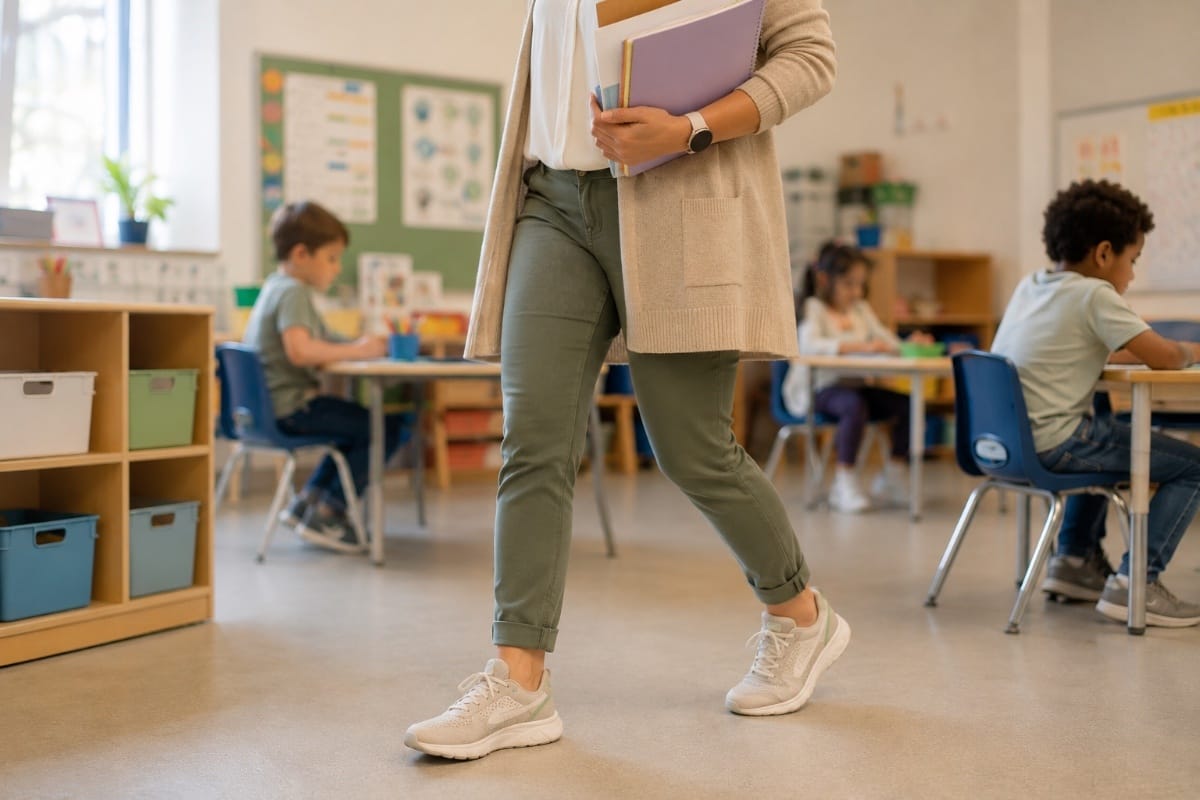
Investing in supportive footwear can be totally worth it.
Educators typically cover multiple miles each day during school hours. They may have to walk between classrooms and across hallways, playgrounds, and therapy spaces.
A pair of comfortable teaching shoes designed to reduce fatigue and provide stronger support can alleviate the effects of long days on your feet.
Your future knees will certainly thank you.
Stretch Pants or Professional Joggers
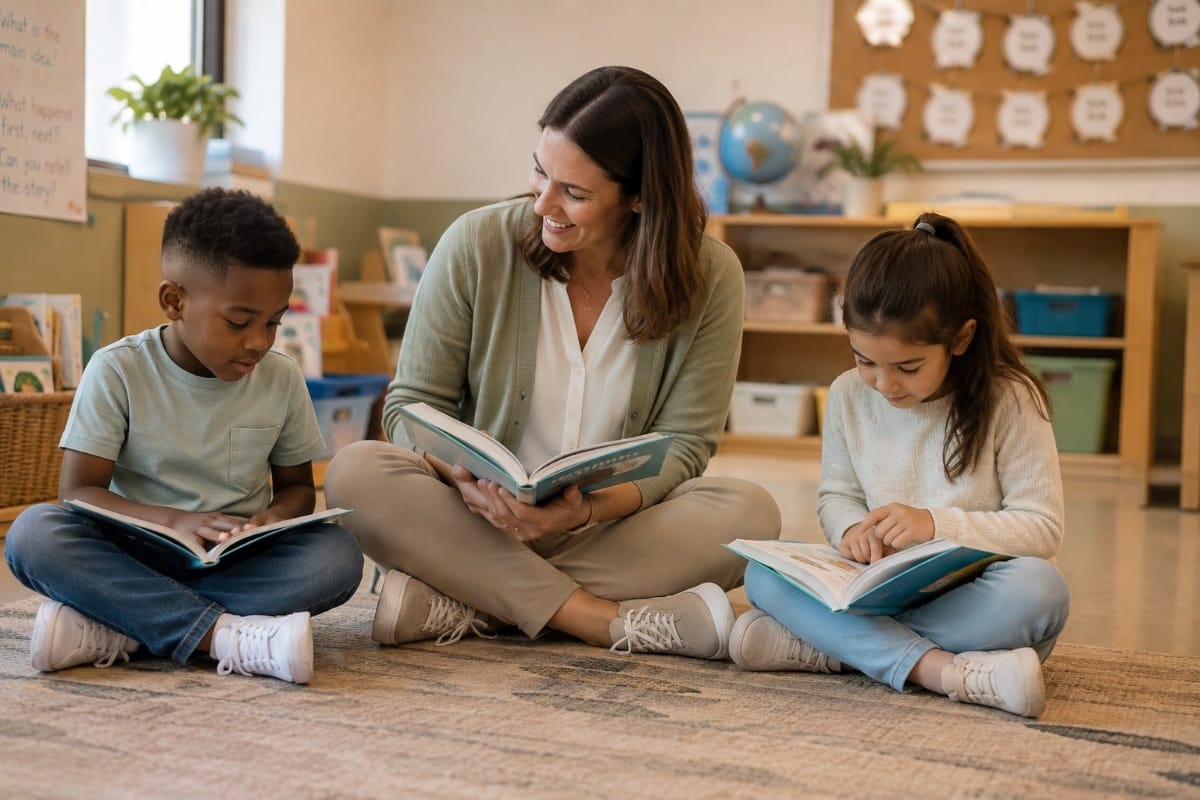
You don't realise just how often you'll have to bend until you're assisting students with zipping up their backpacks, sitting at a tiny table, or demonstrating an activity on the floor.
Stretch-friendly pants allow full movement while still appearing polished. They're undoubtedly one of the most practical pieces of professional clothing for teachers (especially in active classrooms).
Breathable Tops
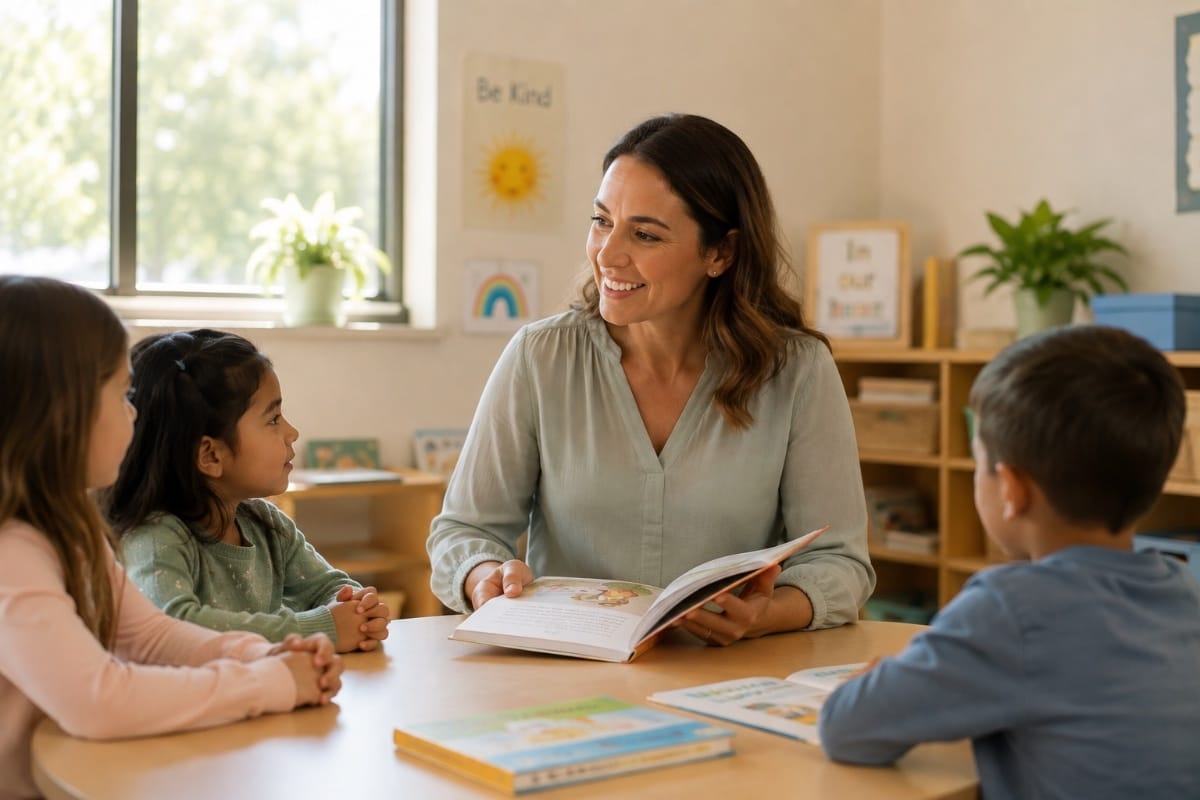
Your classroom might switch from chilly before lunchtime to warm by dismissal.
So, don't forget to pick breathable fabrics that keep you comfortable regardless of what you're doing. Whether you're teaching phonics, leading sensory activities, or moving between classrooms, simple, well-fitted tops are always preferable. Besides, they also go well with almost all teacher outfits that you may already own!
Layers Are Your Best Friend
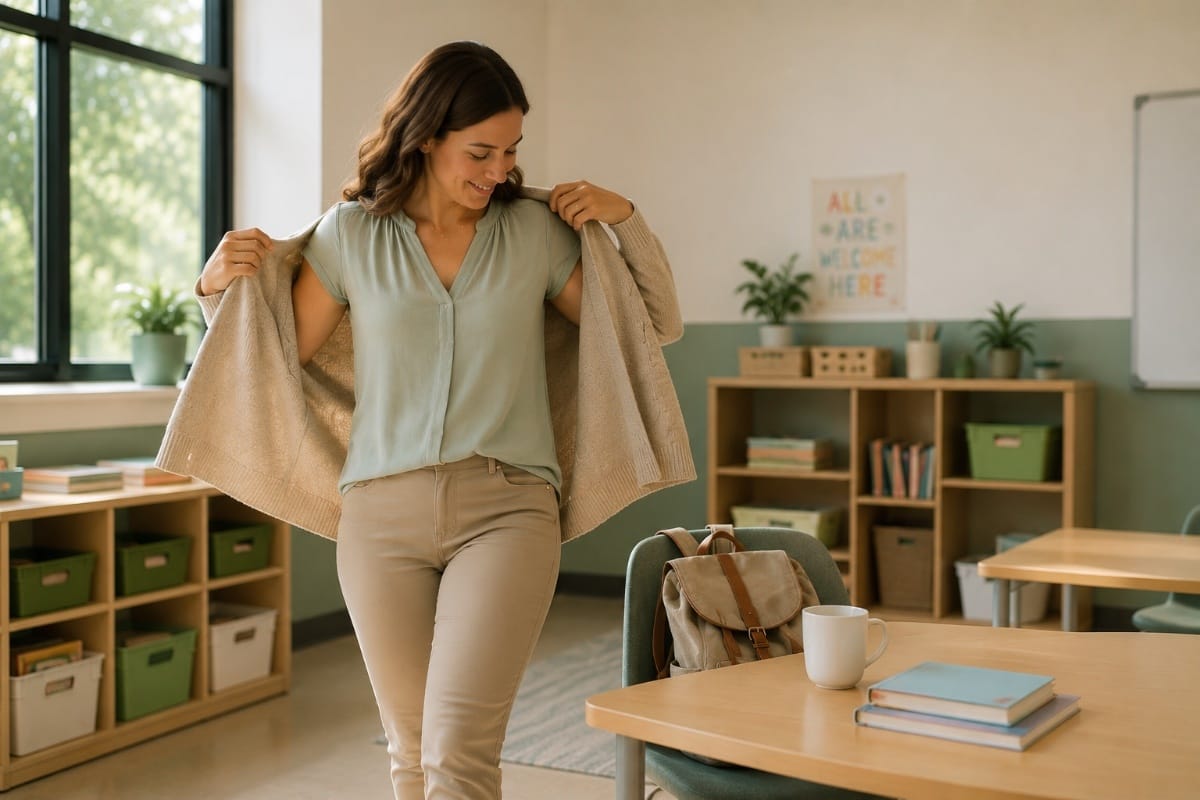
Temperature changes are almost certain to happen.
Lightweight cardigans, zip-up jackets, or simple sweaters can make it easy to adjust throughout the day while still feeling both comfortable and professional.
Bonus: layers also come in handy when you're supervising outdoors or attending chilly staff meetings.
Keep Jewellery Simple
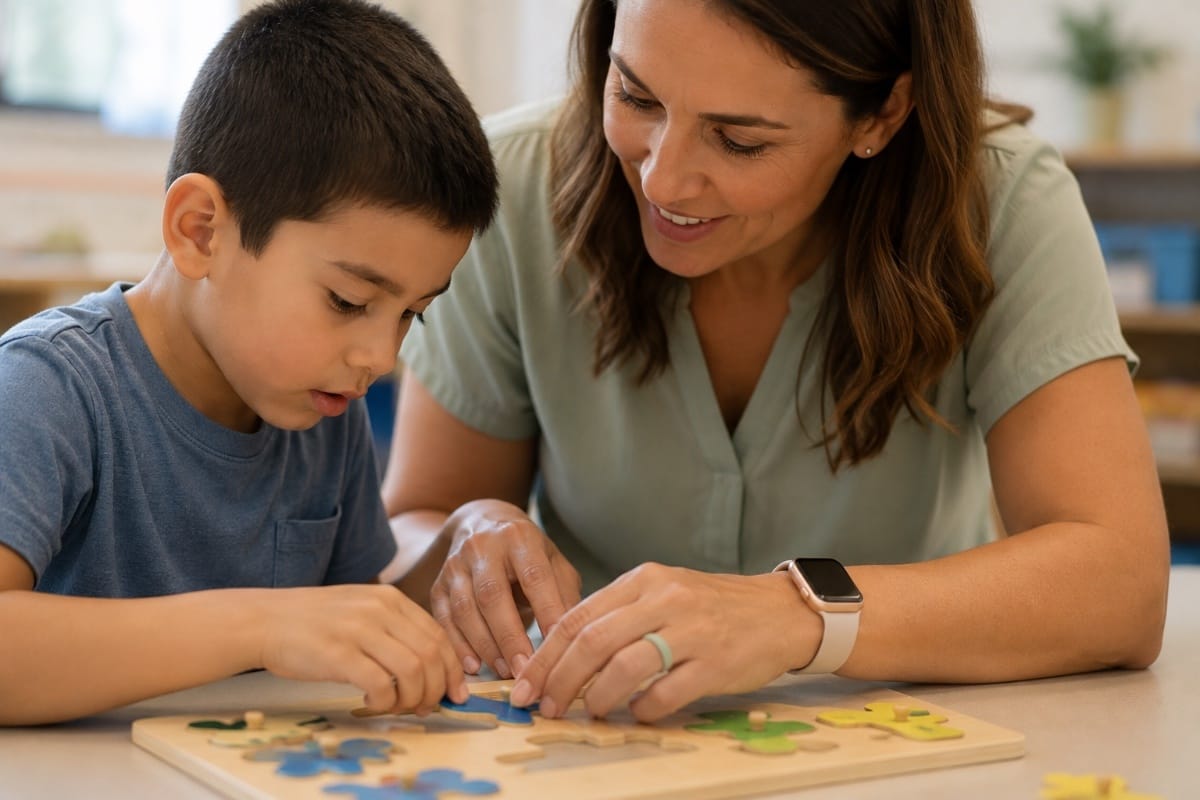
Small stud earrings, a watch, or a silicone ring are all great examples of accessories that stay out of the way and make your teacher outfits look professional.
Large hoops, long necklaces, and oversized bracelets may seem nice and fashionable; however, curious hands can quickly turn them into classroom hazards.
Never Forget Your Lanyard

A good lanyard often becomes command central.
Many teachers find it convenient when they keep their ID badge, classroom keys, emergency information, and even small visual supports within easy reach.
After all, it's one less thing to search for when the day gets busy.
Think Twice Before Wearing These
Some accessories or teacher outfits aren't "wrong." They simply hinder you or make your job harder.
High Heels
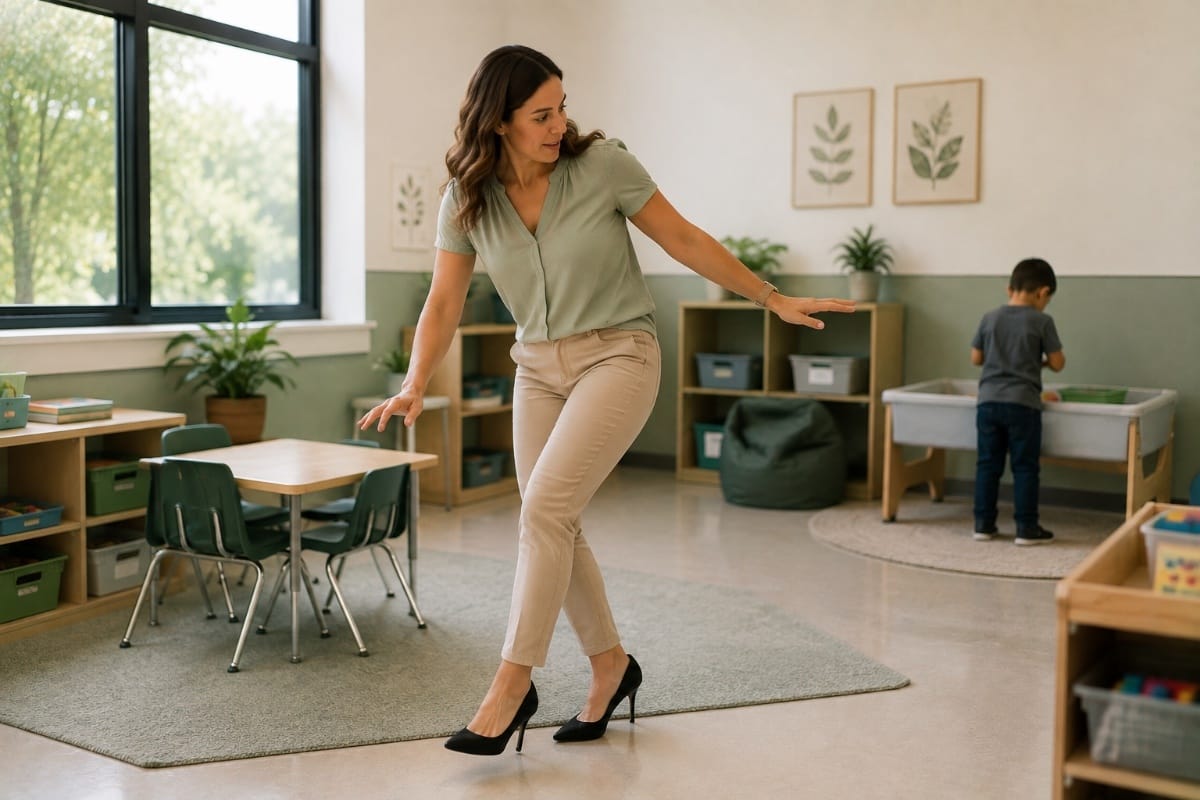
They limit your mobility, get uncomfortable after hours of standing, and make it pretty tough to quickly respond to whatever may be happening around you.
A more suitable choice: supportive flats or sneakers.
Long Necklaces
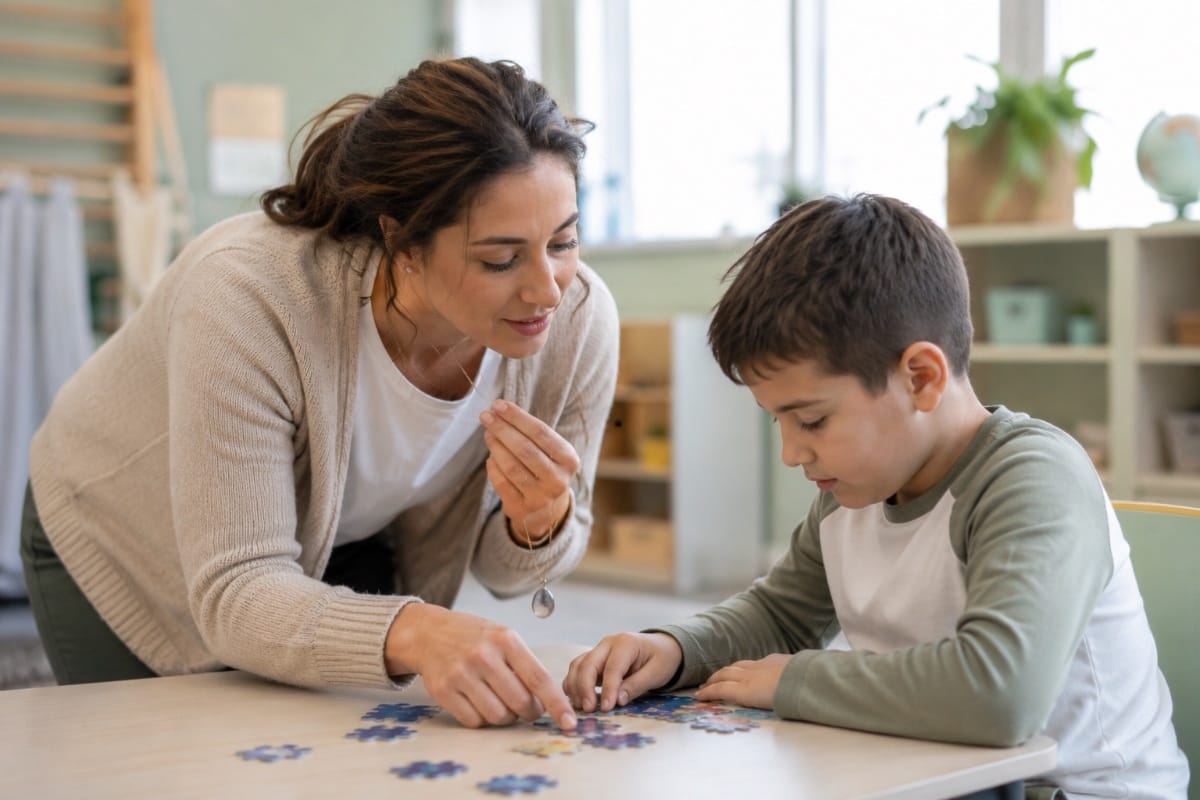
Students may instinctively want to grab them (especially during times when they're excited or dysregulated).
Dangling Earrings
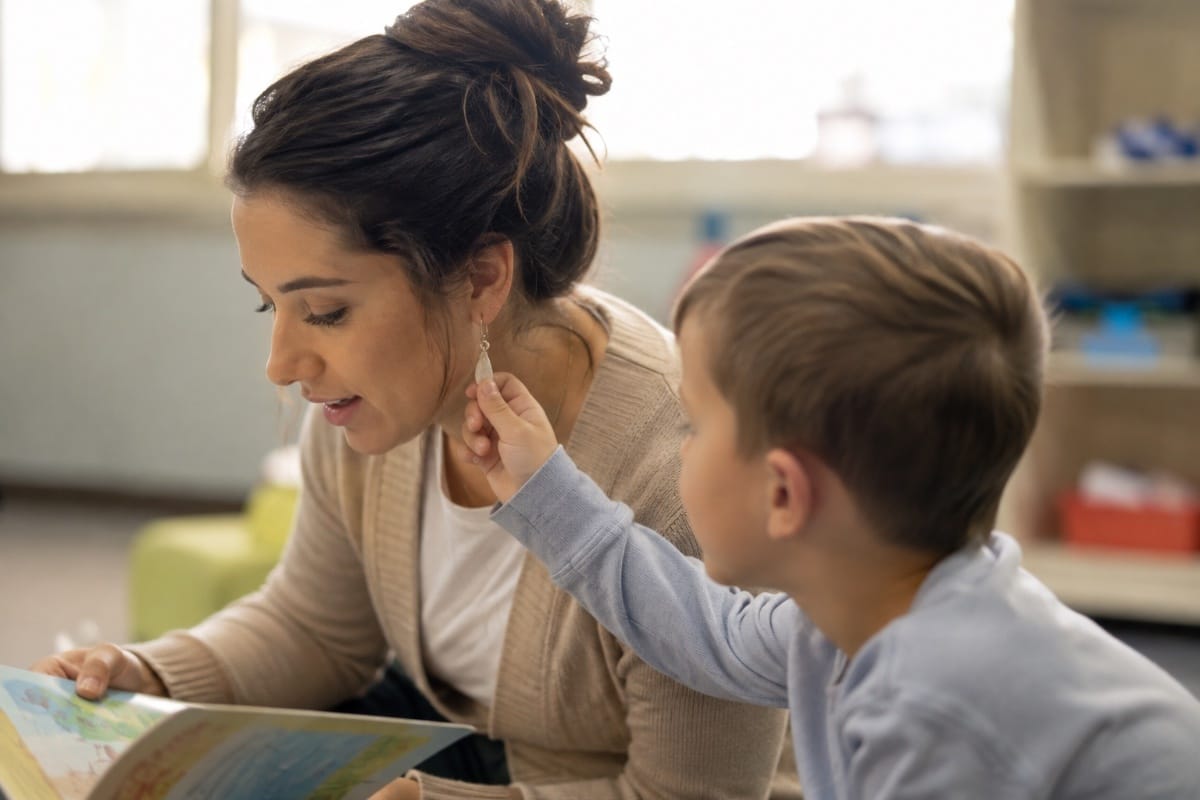
They can become a potential safety hazard when you're closely interacting with kids.
White Clothing
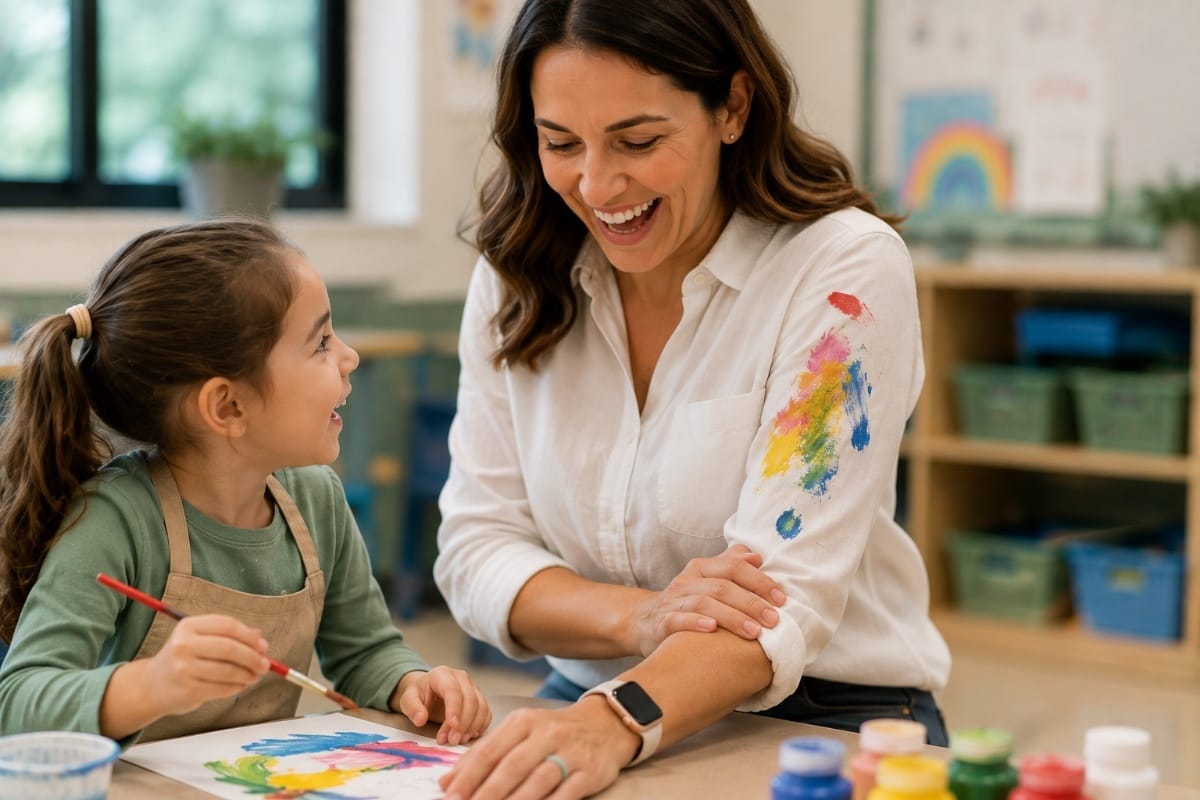
Markers. Paint. Glue. Snack spills. Sensory bins.
Need we say more?
Tight Skirts or Restrictive Clothing
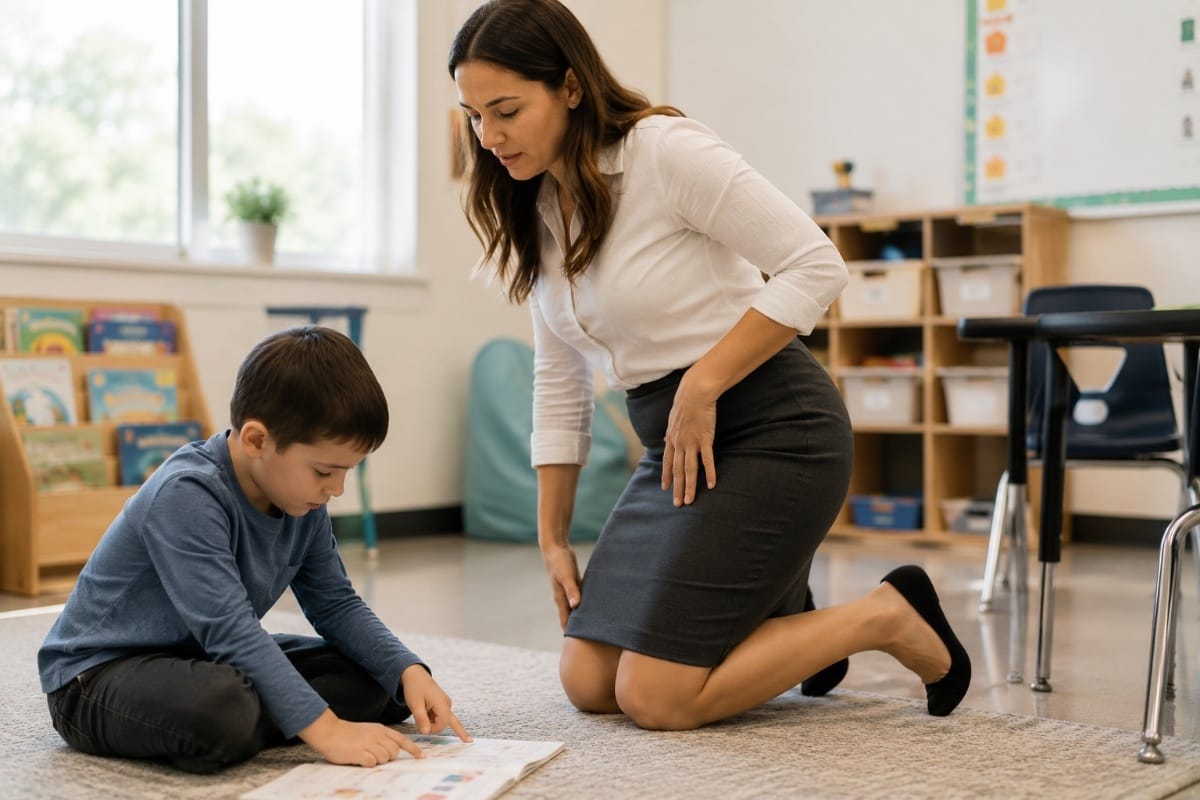
If you can't easily kneel on the floor for activities or help a kid during movement breaks, your clothing may be a barrier for both you and your students.
Flip-Flops
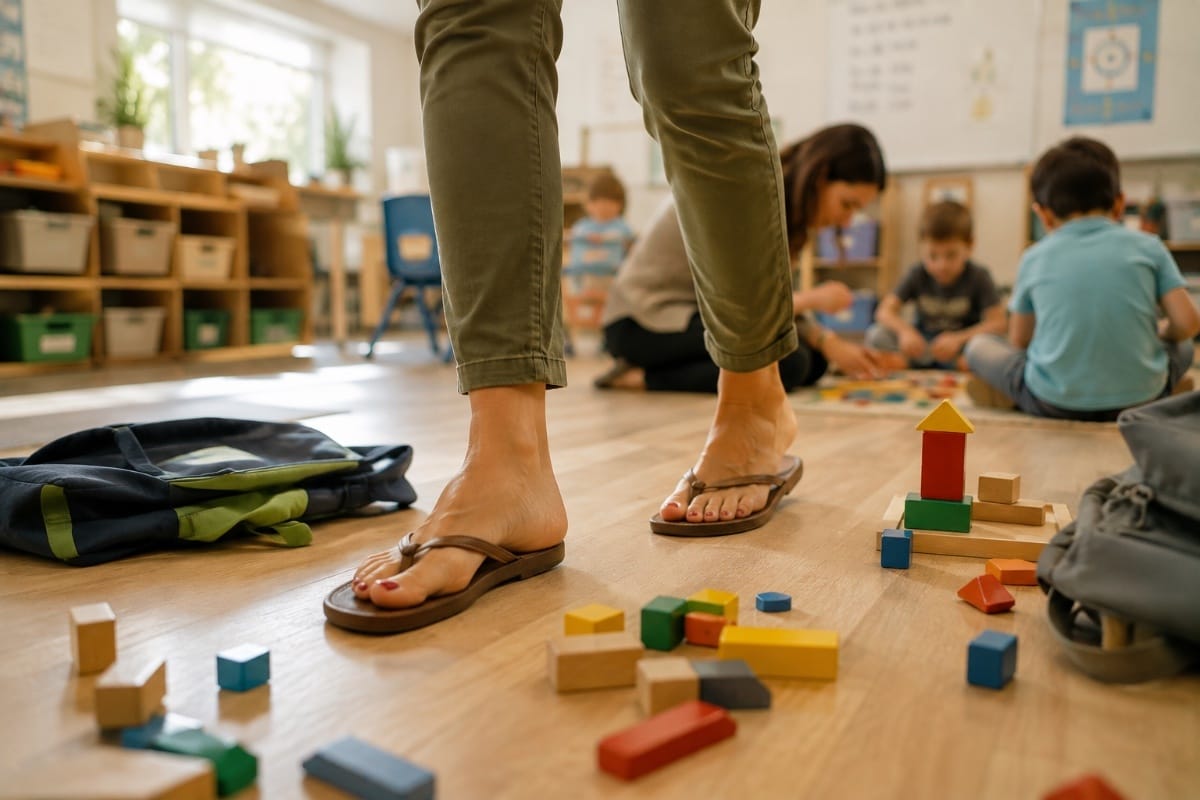
They provide little support and leave your feet unprotected during busy classroom activities.
Strong Perfume
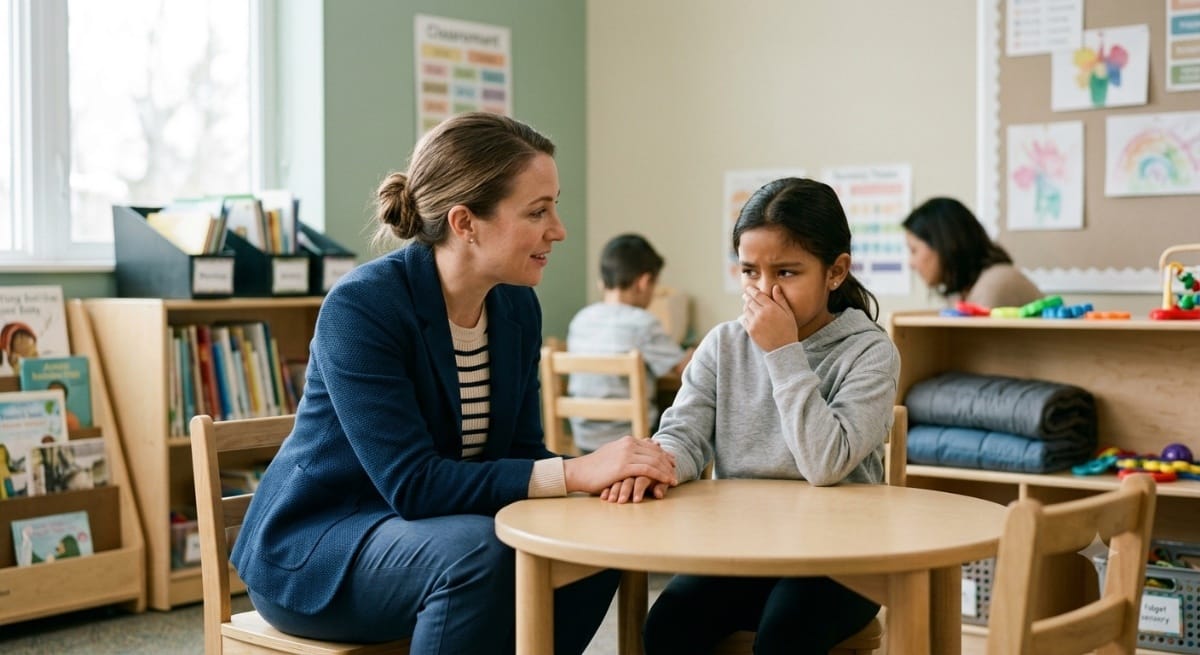
Some students have heightened sensory sensitivities. Using little or no fragrance helps create a positive and safer environment for your students.
Good professional teacher outfits should never become another classroom obstacle.
Classroom Reality Check
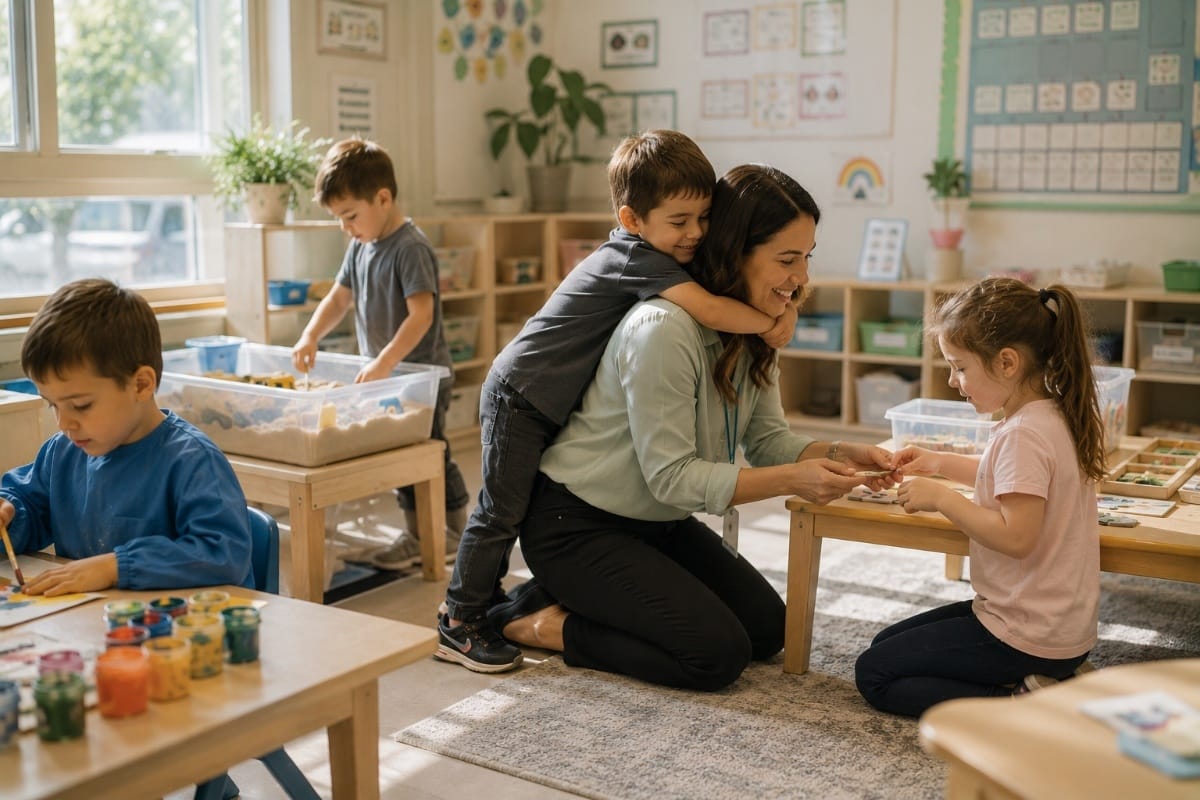
Here's a fun test for you.
Can your teacher outfit withstand all of this?
- Finger paint
- Snack time
- Playground duty
- Water table
- Sensory bins
- Surprise hugs
- Chasing a student who suddenly decides today is the perfect day to run
- Floor time
- Fire drill
If you are confidently saying "yes", you have probably built a teacher wardrobe that truly fits inside a real special education classroom.
Different SPED Settings, Different Wardrobes
Not all special education classrooms look alike, and therefore, neither should every outfit.
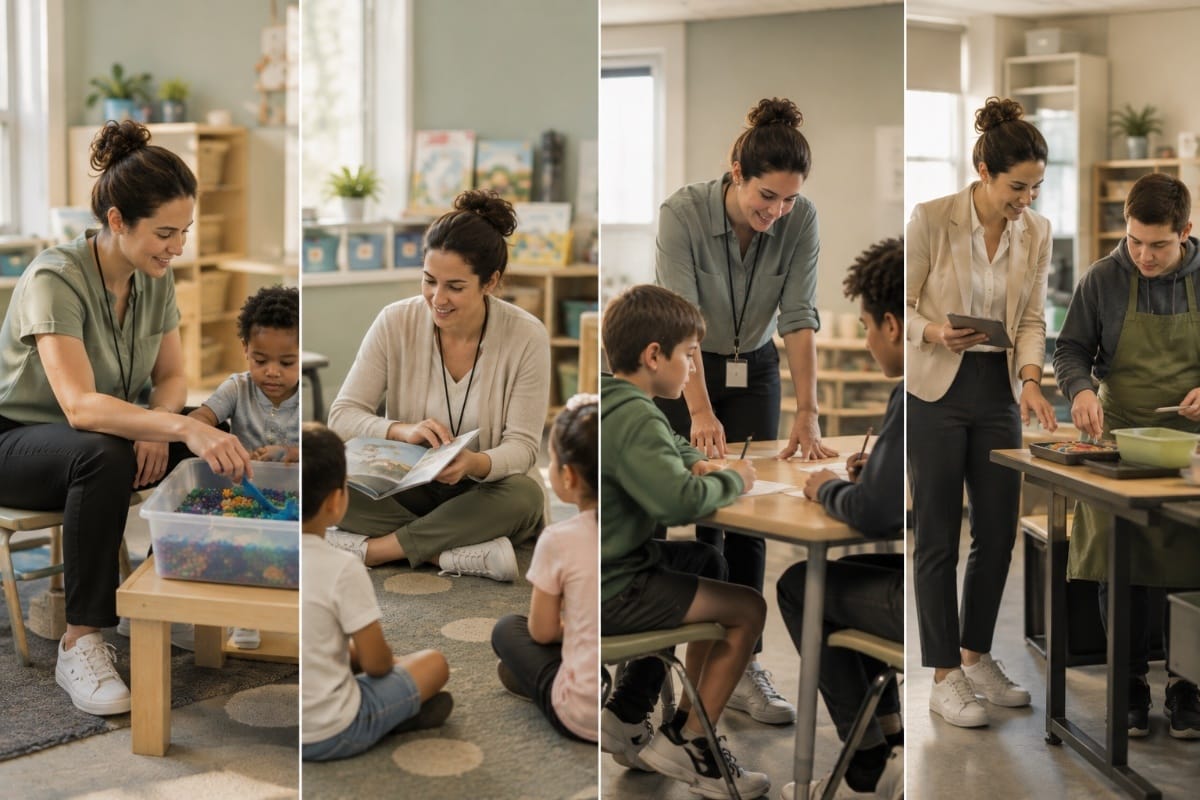
Preschool
In a preschool setting, you can expect more movement, sensory play, toileting support, and messy art activities. Durability is usually considered more important than how perfect you look.
Elementary
You'll have to move frequently between academic instruction, centers, recess, and small group learning.
Here, comfort and flexibility remain priorities.
Middle School
By the time they get to middle school, many students become more independent, but movement doesn't disappear.
A balance between comfort and a polished appearance is often considered a good approach.
High School
Professional presentation becomes highly important as students move to high school. However, you should also be able to maintain mobility and support students during transitions, vocational activities, and community instruction.
In short, there isn't one right answer to “what do teachers wear?”. The best choice depends on your students, your classroom's routines, and your school's teacher dress code.
Seasonal Tips
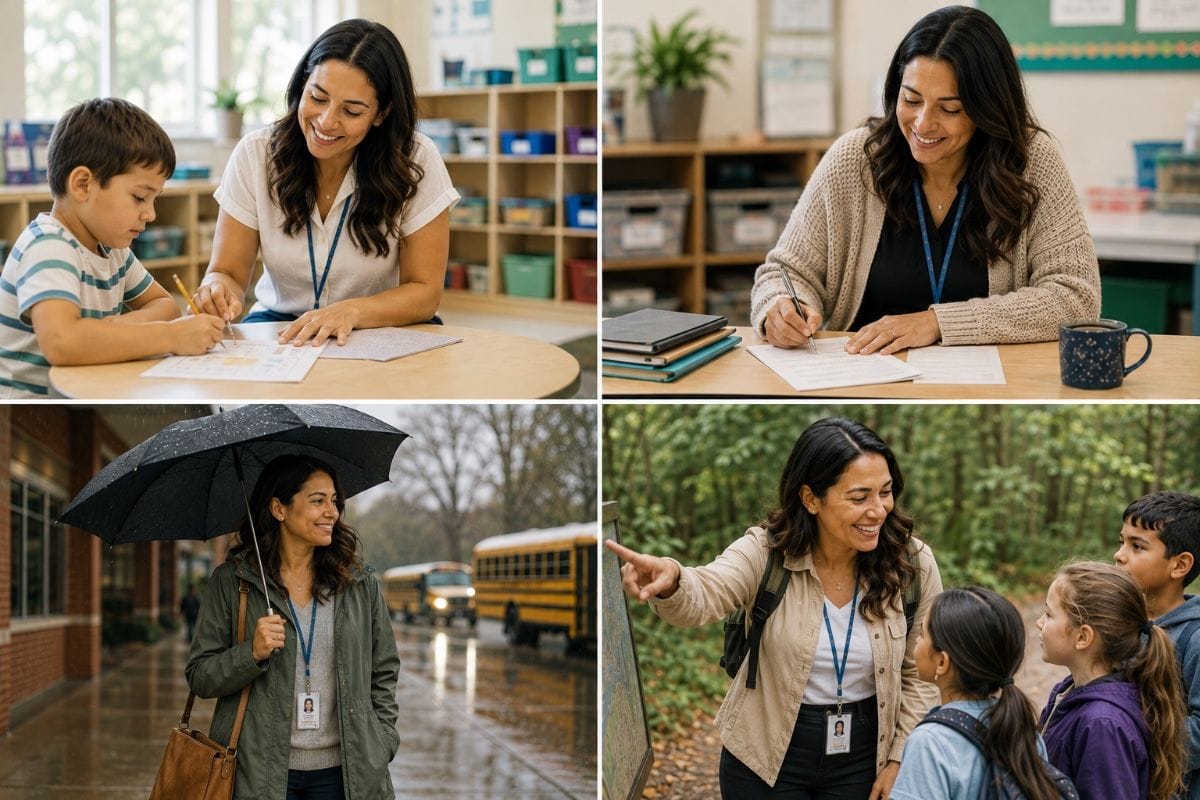
Summer
Choose breathable fabrics and lighter colours. Also make sure to check whether they fit your school's dress expectations.
Winter
Layer instead of wearing one heavy sweater. Classrooms can warm up throughout the day.
Rainy Days
Keep an extra pair of socks or shoes. This matters even more if your commute involves wet weather.
Field Trips
Always prefer comfort over style. Supportive footwear, weather-appropriate clothing, and a small backpack work much better than regular, traditional handbags.
Looking up teacher outfit ideas online can be helpful. However, you must always ask whether what you wish to add to your closet truly fits the realities of your classroom.
What's Always in a Veteran SPED Teacher's Bag?
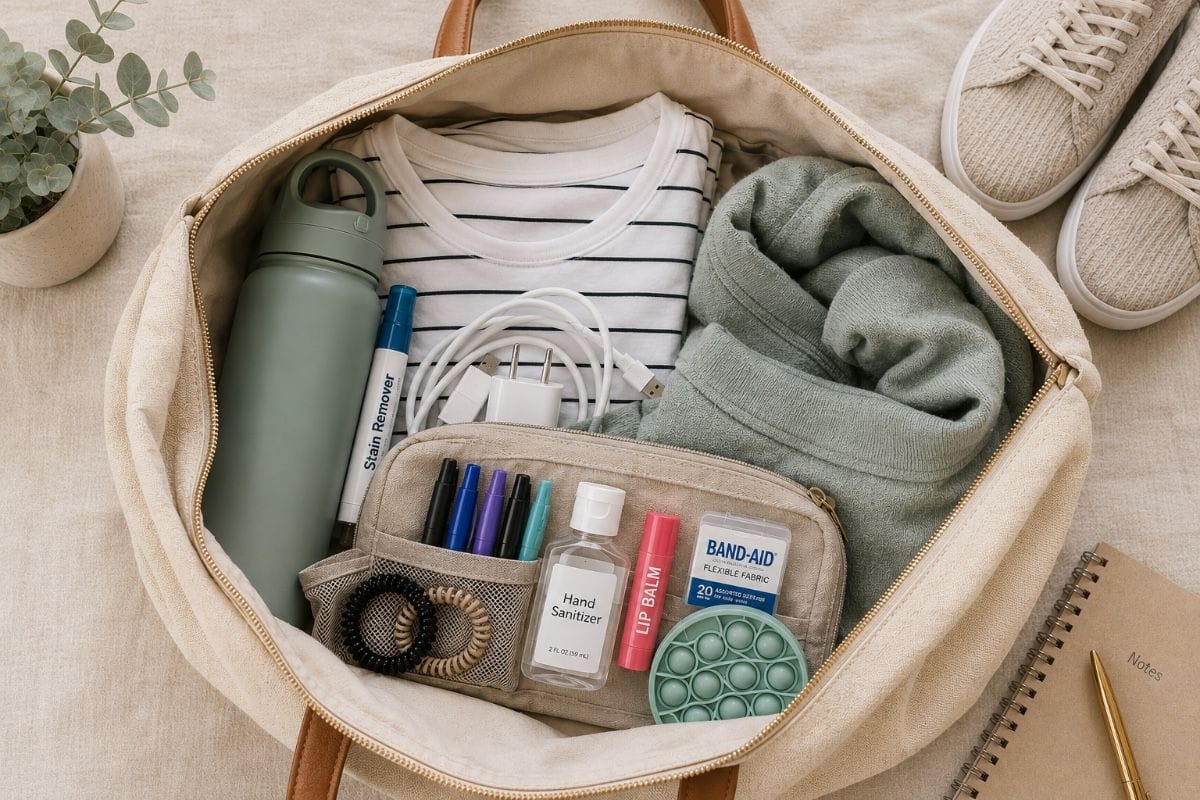
Experienced teachers know preparation reduces stress.
Their bag usually includes:
- An extra shirt
- A stain remover pen
- Hair ties
- Hand sanitizer
- A water bottle
- Comfortable backup shoes
- Lightweight sweater
- Extra pens
- Small fidget
- Band-Aids
- Lip balm
- Phone charger
The same practical mindset applies to digital organisation, too. Many educators also rely on tools like AbleSpace to simplify IEP documentation and progress tracking, freeing up more energy for students instead of paperwork.
Quick Outfit Checklist Before Leaving Home
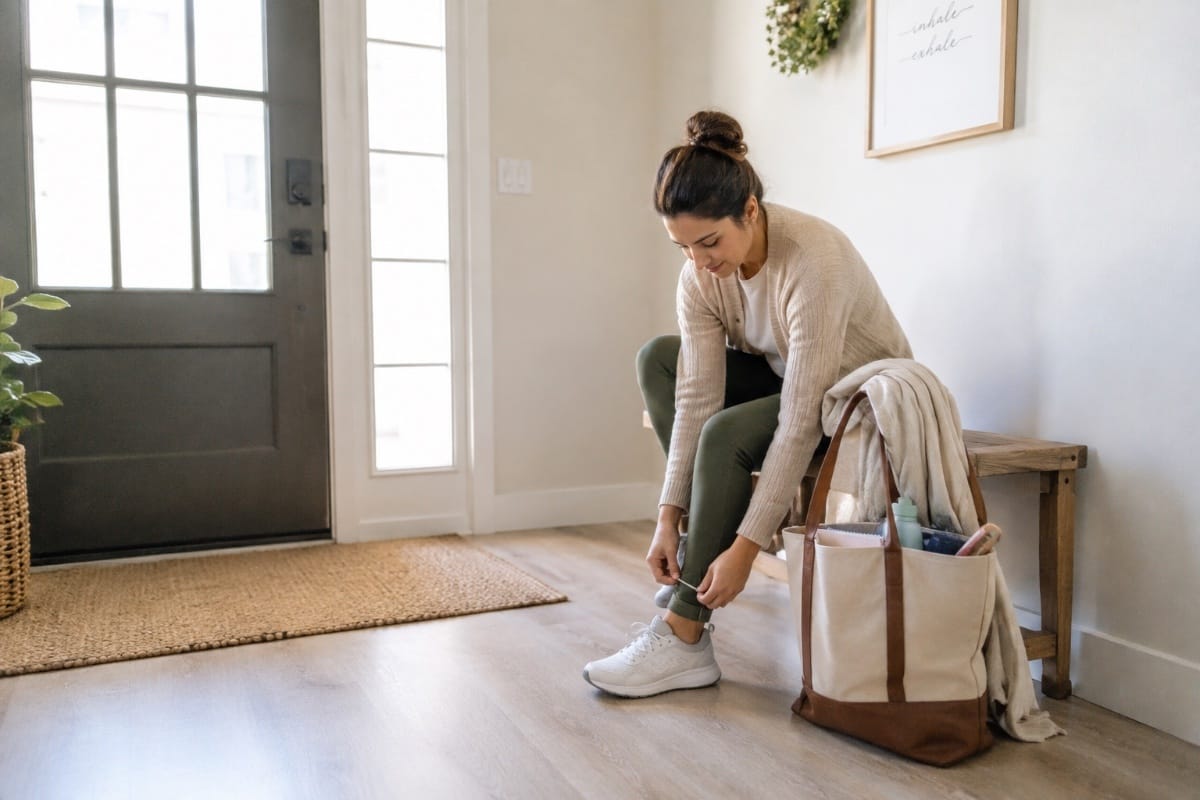
Before stepping out the door, do one final check.
☐ Comfortable shoes
☐ Stretch-friendly clothing
☐ School-appropriate
☐ Easy-to-clean fabrics
☐ No dangling accessories
☐ Layer packed
☐ Ready for whatever the day might bring
A thoughtful teacher wardrobe isn't about owning lots of outfits. It's about having dependable pieces that help you feel prepared every morning.
Final Thoughts
Being an excellent special education teacher has nothing to do with dressing for a fashion magazine.
The best teacher outfits let you move freely, stay comfortable, respond quickly, and focus on your students instead of your clothing. When your outfit supports your work instead of limiting it, you have one less thing competing for your attention.
At the end of the day, your students won't remember whether your cardigan matched your shoes. They'll remember how safe, supported, and understood they felt in your classroom. And that's always the best thing you can wear.