Managing Power Struggles in the Classroom

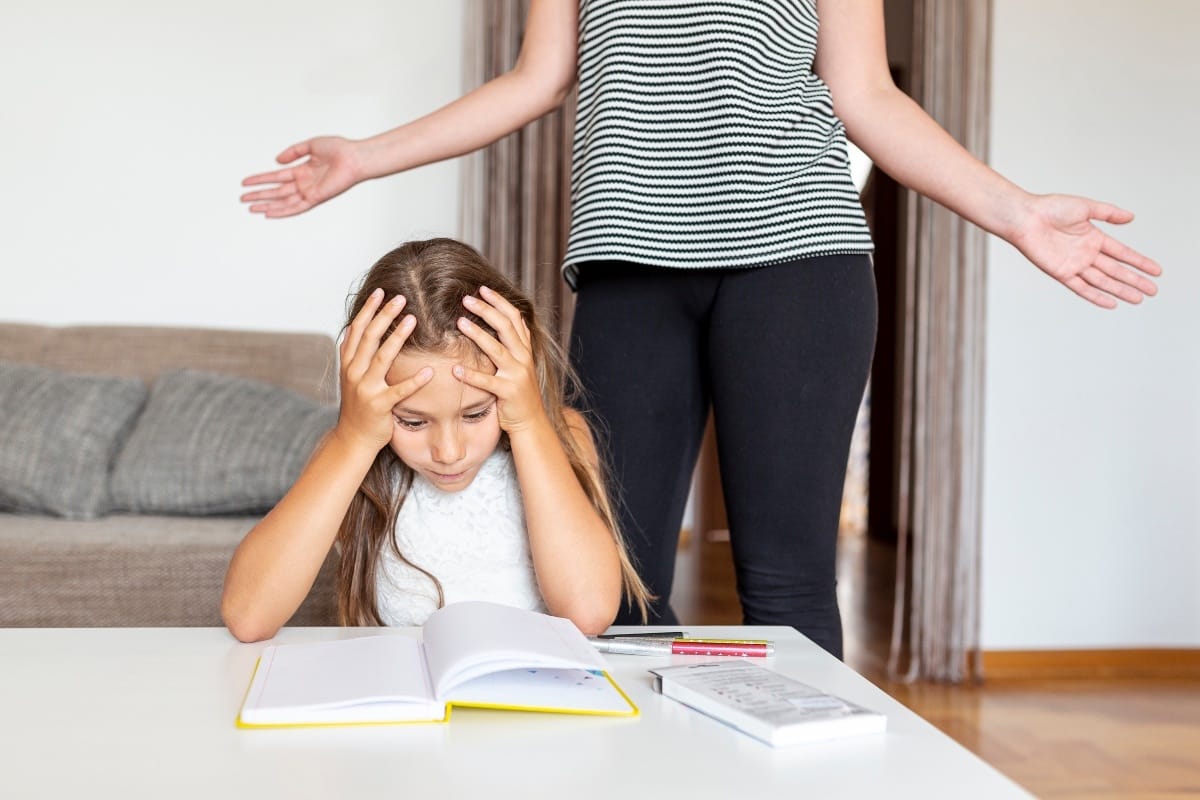
"Close your math folder and put it away."
"No!"
Within seconds, instruction has stopped, the classmates are all watching, and something that began as a short request has evolved into a full-blown standoff. Most educators have been in such situations, and it's pretty easy to feel like someone has to "win."
However, the truth is, power struggles never really “end” with anyone winning. They only serve to disrupt students' emotional states, frustrate educators, and interrupt learning. A more relevant question than “how do I get the child to comply?” is “why is this happening, and how can I respond without escalating this situation even more?”
This question is particularly important for special ed professionals. Students with communication barriers, sensory sensitivities, executive functioning issues, or anxiety and trauma can respond in a way that appears to defy directions. But for many kids, such behaviours are simply attempts to assert control or indicate their distress.
The best classroom management strategies require you to understand why students behave the way they do before reacting. When combined with thoughtful classroom behavior management, they can reduce conflict, help you develop stronger relationships, and create environments where students can learn without having to battle constantly.
What Is a Power Struggle in the Classroom?
If you have ever had to repeat the same direction while a student digs in their heels, then you've likely experienced a "power struggle" in the classroom.
But what exactly is a power struggle?
When an interaction shifts away from the initial expectation and turns into a battle for control, it can be called a power struggle. In such a scenario, instead of resolving the issue at hand, each person becomes focused on who will give in first.
This does not imply that teachers must not set limits or boundaries. Students need clear expectations, consistent routines, and accountability. The difference is that setting boundaries stays focused on the expectation, while a power struggle becomes focused on proving a point.
Many special educators experience these conflicts more frequently than general education teachers. That's because many students have underlying needs that affect how they respond to a teacher's demands. Behaviours that appear oppositional may actually be rooted in challenges related to regulation, communication, flexibility, or processing.
Why Power Struggles Escalate So Quickly
More often than not, conflicts begin long before a student says "no."
Being told what to do can overwhelm a child who experiences demand avoidance. For another, unexpected changes to daily routine can cause anxiety. Sensory overload can also make simple requests feel like an entirely impossible task. Additionally, kids with communication difficulties may have no clear way to express themselves.
For many children, taking back control may seem like the only way to feel safe. Others may have trouble shifting focus or transitioning from one activity to another due to executive functioning differences.
When educators learn to spot such underlying factors, power struggles become easier to manage and prevent. That's because the focus moves from fixing kids' behaviour to truly helping them regulate.
Why Traditional Classroom Management Strategies Don't Always Work
Many traditional classroom management strategies for teachers depend on rewards and consequences. The use of such approaches can be successful in some settings; however, they don't actually address all the behaviour issues that may arise in your classroom.
That's because a student cannot always earn their way out of anxiety, sensory overload, or emotional dysregulation. Similarly, consequences rarely teach replacement skills that allow the child to respond calmly or differently.
Good behavior management in the classroom starts with knowing that every behaviour communicates something. Rather than asking, "How do I get rid of this behaviour?" seasoned educators ask, "What is this student attempting to tell me?"
This tiny shift makes all the difference.
Instead of focusing entirely on compliance, educators begin managing student behavior by teaching regulation, communication, adaptability, and problem-solving skills. Students still learn accountability. But they're also given the support they require to meet expectations successfully.
7 Classroom Management Strategies That Prevent Power Struggles
Stay Neutral Instead of Matching the Student's Emotion
When a student hears an adult raising their voice, arguing, or getting frustrated, it is common for them to mirror the adult's emotions and respond similarly. This escalates the situation even further.
But remaining calm doesn't mean you must ignore inappropriate behaviour; it just means responding in a way that reduces the emotional intensity.
A steady tone, shorter directions, and neutral body language and facial expressions can help you de-escalate the situation while also maintaining everyone's dignity.
Offer Choices That Preserve Student Autonomy
Many students resist you because they believe they have no control.
But when you provide options to choose from, it gives them some ownership while also maintaining expectations.
For example, instead of saying, "Do it now!" you can try, "Would you like to start with questions one through five or six through ten?"
The expectation remains the same, but by letting the student make certain decisions and regain a sense of control, you'll be able to avoid conflicts.
Address the Need Behind the Behaviour
Behaviours serve a purpose.
Some students avoid tasks because they find them too challenging. Others attempt to draw your attention, access their preferred activities, or express discomfort.
Understanding the reason behind behaviours can help educators select appropriate strategies that address the root cause rather than simply reacting to the behaviour itself.
Use De-escalation Techniques Before Correcting Behaviour
Attempting to reason with a dysregulated kid rarely works. Once escalation starts, make sure to avoid adding more demands or turning the moment into a confrontation.
Strong de-escalation techniques can include using fewer words, avoiding repeated questions, removing an audience when possible, and giving the student a safe path out of the interaction. Your goal here is to lessen the intensity of the moment, not to fix the behavior right away.
Such de-escalation strategies for students create the conditions for a more productive conversation once the child is ready to engage again.
Reinforce Skills, Not Just Compliance
Don't just praise kids when they follow your directions well.
Recognising times when they stay flexible or emotionally regulated, ask for help, and use coping strategies also helps. It reinforces the skills that prevent future conflict.
These positive behavior support strategies align closely with PBIS classroom management, where educators intentionally teach expected behaviours to students, instead of simply assuming that students already know them.
By implementing strong PBIS behavior management practices, educators can create environments where positive behaviour becomes easier than challenging behaviour.
Know When to Pause the Conversation
It's not always necessary to resolve the conflict right away.
Reasoning gets tough when emotions are high. In many cases, the best response on your part is to pause, help the student calm down, and revisit the conversation sometime later.
Remember, regulation always comes before productive problem-solving.
Keep Your Expectations Consistent
The less unpredictable things seem, the less anxious kids feel.
Clear daily routines, visual schedules, consistent language, and follow-through help students understand what to expect throughout the school day.
However, consistency doesn't mean rigidity. It means students know the expectations even when support looks different from one child to another.
When a Classroom Behavior Management Plan or Behaviour Intervention Plan Is Needed
There can be some occasional disagreements within each classroom; that's pretty normal.
However, repeated conflicts over similar expectations may indicate the need for a more structured method for managing kids' behaviours.
A classroom behavior management plan can help in such cases. It allows teachers to spot patterns rather than simply responding to individual, isolated incidents. Since antecedents, behaviours, consequences, and environmental factors are all documented, teams can better understand why conflicts keep happening. Documentation like this can also be useful when teams are developing individualised behavior intervention strategies through the IEP process.
Rather than making random guesses about what may have caused the behaviour, teachers can identify triggers, teach replacement skills, make changes to environmental supports, and work collaboratively with family members and related service providers to create a common plan.
How Data Helps You Manage Student Behaviour More Effectively
Memory can become surprisingly less reliable as we rush through hectic school days. Two events can seem totally alike until the data reveals that one always happens during transition times, while the other consistently follows a challenging academic task.
Proper documentation helps educators spot patterns and trends related to antecedents, frequency, duration, triggers, and successful interventions. These insights make managing student behavior more proactive rather than reactive.
Digital data collection facilitates communication and collaboration. When teachers, paraprofessionals, therapists, and administrators record information consistently, everyone works from the same objective picture instead of individual recollections.
Tools like AbleSpace simplify this process even further by making it easier to collect behaviour data in the moment, monitor progress over time, and share important info during IEP meetings. Instead of scrambling to recall specific details about something that happened weeks ago, educators can make informed decisions supported by clear evidence, thereby strengthening overall classroom behavior management.
Common Mistakes That Turn Conflict Into Power Struggles
Arguing With the Student
Debates rarely change a child’s mind when they are already upset. In fact, back-and-forth arguments can move the focus away from the initial expectation and turn the issue into a contest of who gets the last word.
Thus, teachers must provide brief directions, remain calm and return to the expectation without arguing about it.
Giving Repeated Warnings
While many teachers use phrases like “this is your last warning” repeatedly, this can send out an entirely wrong message. It can teach kids that expectations are flexible, and that there are no real consequences for not meeting them.
So, make sure to establish clear expectations and follow them up with consistent, predictable responses. This helps children understand boundaries without causing any form of unwanted conflict.
Correcting A Student in Front of Classmates
You may cause additional distress, embarrassment, and defiance if you correct a student in front of their classmates. So, try to redirect them privately whenever possible. This helps preserve the relationship.
Being Inconsistent With Expectations
Students feel safest when they know what to expect each day. When expectations change based on the day, the activity, or the adult in the room, they may become confused or test boundaries more frequently.
Consistent routines and responses help create an atmosphere of safety and provide fewer opportunities for potential conflict.
Taking Behaviour Personally
When students refuse to follow directions, it can be frustrating. What often gets lost in this frustration is that the refusal may not be due to disrespect; rather, it may be a response to their own anxiety, sensory overload, communication challenges, or difficulty with emotional regulation.
The most effective classroom management strategies aren't about proving who's in charge. They're about understanding why a behaviour is happening and responding in ways that prevent future power struggles. By combining proactive planning, thoughtful classroom behavior management, positive behaviour supports, and consistent data collection, educators can create classrooms where students spend less time in conflict and more time learning.