Art and Music Therapy in Special Education: An Educator's Guide

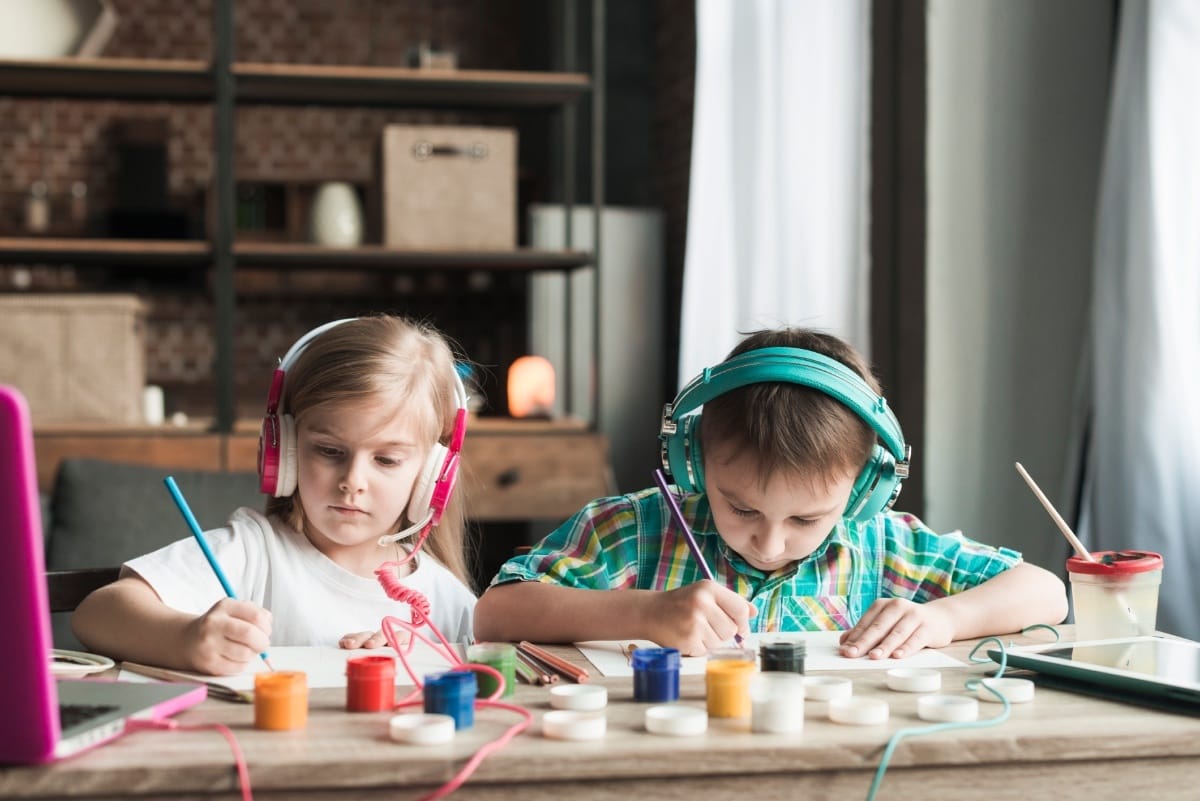
If you walk into any special education classroom, you will quickly see something interesting. One student calms down immediately once he hears a familiar song begin. Another who never really speaks much lights up when she starts painting. A third student can clearly express emotions through colours even when she struggles to express them verbally.
Learning can occur outside standard materials, worksheets, lectures and flashcards. Sometimes, it takes place through a paintbrush or steady drumbeat.
And this is precisely why art and music therapy are becoming an increasingly important tool in special education. Such therapies provide students with alternative ways to communicate, learn and develop necessary skills, even when other conventional strategies fail. For teachers and educators, understanding how they work can make it easier to collaborate with therapists, support student development, and create more inclusive classrooms.
What Is Art and Music Therapy in Special Education?
Although many people mention art therapy and music therapy together, they are actually two very distinct services that utilise different creative mediums to assist students with their developmental, behavioural, and educational goals.
Art therapy in special education is a therapeutic intervention led by a credentialed art therapist. Through activities like drawing, painting, sculpting, collage-making, or mixed-media projects that combine various art materials, students can express their feelings, find alternative ways to communicate themselves, and work on their problem-solving or fine motor skills. Know that the artwork itself isn't the objective. The true value of art therapy lies in the skills that kids gain during the creative process.
Likewise, music therapy in special education is also provided by a board-certified music therapist who intentionally uses singing, rhythm, movement, instruments, songwriting, or listening experiences as tools to support communication, focus, self-regulation, motor skills, sensory processing, and positive social relationships.
For educators, it's also important to know the difference between therapy and classroom instruction. Note that art projects and music lessons are certainly valuable; however, they aren't considered therapy. Formal art therapy and special education services are individualised, evidence-based practices, and are guided by measurable therapeutic objectives delivered by qualified professionals.
Why Art and Music Therapy Matter for Students with Disabilities
They help regulate emotions.
When feeling overwhelmed, some students find it difficult to put their feelings into words. In such instances, creating art or participating in music can be a better way to communicate, since they don't rely as heavily on verbal communication. A drawing, painting, or musical improvisation can become a starting point for a discussion, and thus, help them express feelings they normally have trouble describing verbally.
They pave the way for communication.
Music can promote interaction and create opportunities for natural engagement. A therapist may stop before a known lyric or musical pattern, thus encouraging the student to vocalise, gesture, sign, or activate their AAC device to continue the song.
Similarly, students also feel motivated to communicate when engaging in collaborative art projects because they can request materials, make choices, answer questions, and share ideas. This way, students do not have to practice communication in isolation; they can use it for authentic purposes in real classroom settings.
They help with social skills.
Students can learn to take turns, pay attention, work together, and interact socially when participating in group art projects and music sessions. Since they work on something as a team, social learning feels more natural than merely completing some social skills worksheets.
Remember, sometimes a simple classroom drum circle encourages more organic peer interaction than a full-blown lesson on conversation starters.
They strengthen motor and cognitive skills.
When painting, cutting, molding clay, or playing certain percussion instruments, kids must make use of their planning, coordination, sequencing, and fine motor control skills. In fact, fun activities like these also let them practice attention, memory, following directions, and problem-solving without feeling boring or repetitive.
Music Therapy for Autism and Other Special Needs
Some people think music therapy for autism is just about singing with children. In truth, it is a structured, therapeutic service meant to build functioning skills through carefully planned musical experiences.
Predictable rhythms, repeated melodies, and structured routines can help many autistic students. They can ensure smoother transitions and provide consistency throughout the school day. However, one must remember that music therapy does not treat autism itself. Instead, it helps kids acquire skills that will allow them to participate in learning, social interactions, and daily routines.
Furthermore, music therapy for special needs can also support students with other sorts of disabilities.
Students diagnosed with ADHD can use rhythm-based activities to maintain focus and self-regulate. Additionally, students with intellectual disabilities may benefit from listening to repetitive songs that reinforce routines and memory. Lastly, learners with multiple disabilities also find music particularly helpful for sensory engagement, movement, and communication.
Since each student responds uniquely, therapists continually assess and adjust their methods based on the student’s growth, interests, and functional requirements rather than relying entirely on the diagnosis.
Art Therapy Activities That Support Classroom Learning
Teachers do not have to become art therapists to engage kids with meaningful creative activities in the classroom. Therapeutic interventions should always be delivered by qualified professionals, sure. However, thoughtfully designed classroom activities can still support several of the same skills that students work on during therapy.
Here are a few art therapy activities that complement classroom learning.
Emotion Colour Wheels
Students can pick colours that represent different emotions and then explain their choice. This helps them identify their emotions, be self-aware, and communicate expressively, while also allowing teachers to assess students' mental state.
Visual Journals
Rather than requiring kids to write every reflection, you can let them draw, sketch, or combine pictures and words to record classroom experiences, daily events, or thoughts. Visual journaling is especially beneficial for students who struggle with written expression but actually have plenty to say.
Collaborative Murals
Large group murals encourage students to work together as a team. They facilitate turn-taking, shared decision-making, and communication, thereby turning participation into something that feels collaborative, not competitive.
Choice-Based Collage
Providing multiple materials such as magazines, colored paper, fabric pieces, stickers and other textured items lets students make independent choices while also helping them with planning, organisation, creativity, and decision-making. Additionally, this also creates natural opportunities for kids to ask for specific supplies/materials and discuss their preferences.
Story Illustrations
After reading a story, students draw important events from it, sequence scenes, or create an alternative ending using pictures and simple labels. These activities target comprehension, sequencing, recall, and expressive language and make literacy instruction more engaging for kids to take part in.
These classroom activities certainly cannot replace therapy. But they can surely strengthen the skills that students are already developing with their therapists!
How Teachers Can Reinforce Therapy Goals in the Classroom
Teachers spend more time interacting with students than anyone else at school. This means they are more likely to witness changes that the therapist might miss in a 30-minute therapy session.
Maybe a student finally starts initiating conversations with her peers after weeks of staying quiet. Perhaps they now take less time to get over their frustrations or participate in a group activity that they had been avoiding entirely.
These "small" successes are signals; they let teams know that therapeutic interventions are beginning to carry over into daily learning experiences.
These observations, when shared with therapists, help create a more complete picture of student progress. They also allow your team to revise goals, celebrate growth, and determine if there is any need for additional support.
Connecting Art and Music Therapy to IEP Goals
Ultimately, the value of art and music therapy isn't that it introduces entirely new goals; it's that it gives children fun, creative ways to achieve the functional skills already listed in their IEPs.
Depending on the specific needs of each child, these therapies may support IEP goals related to:
- Communication
- Social interaction
- Emotional regulation
- Development of Fine Motor Skills
- Attention and task persistence
- Following multi-step directions
- Transition skills
Since art and music therapy are individualised and goal-driven, they complement the broader educational supports provided to kids during the school day. Rather than working in isolation, they become one part of a coordinated framework that helps students build skills across multiple areas of development.
As students work toward these goals, consistent documentation becomes just as necessary as the interventions themselves. Using an IEP goal-tracking tool such as AbleSpace can help educators record progress data, track growth over time, and make informed instructional decisions without adding too much paperwork.
When therapeutic services and classroom instruction align with a student's IEP, every intervention becomes more purposeful, helping students make meaningful progress one goal at a time.
Frequently Asked Questions
1. Is there a difference between music education and music therapy?
Yes. Music education is about teaching musical knowledge and performance skills, such as singing, reading music, or playing instruments; on the other hand, special education music therapy intentionally uses music to help students achieve individualised communication, behavioural, emotional, motor, or developmental goals under the guidance of a board-certified music therapist.
2. How can music therapy be helpful to children with Autism?
Music therapy for autism can support communication, joint attention, emotional regulation, smoother transitions, and social interaction through structured musical experiences tailored to each student's strengths and requirements.
3. Can expressive therapies support IEP goals?
Yes. Art and music therapy in special education can support IEP goals related to communication, fine motor skills, self-regulation, attention, social interaction, and following directions. Progress should always be documented alongside other educational data to provide a complete picture of student growth.
4. Who provides art and music therapy in schools?
Formal art therapy in special education is provided by credentialed art therapists, while music therapy is delivered by board-certified music therapists. Special educators can also help kids strengthen therapeutic skills through classroom instruction and creative activities, but they do not replace these specialised services.